Understanding Laminate vs. Engineered Wood Flooring
Choosing the right flooring for your home can be a daunting task, especially when deciding between laminate and engineered wood. Both options have their unique benefits and drawbacks, which can affect your decision based on budget, lifestyle, and aesthetic preferences. For UK homeowners aiming to make an informed choice, understanding the fundamentals of these flooring types is essential. When exploring options, uk flooring advice can provide comprehensive insights into the key differences, costs, and maintenance requirements.
What is Laminate Flooring?
Laminate flooring is a synthetic product composed of several layers pressed together. The core layer is typically made of high-density fiberboard (HDF), topped with a printed wood-effect layer and a protective wear layer. This design gives laminate flooring its durability and resistance to scratches, stains, and fading. The installation process is also relatively straightforward, often featuring a click-lock design that allows for easy DIY projects. Laminate is available in various styles and finishes, mimicking the appearance of natural wood, stone, or tile.
What is Engineered Wood Flooring?
Engineered wood flooring consists of a real hardwood veneer on the surface, bonded to multiple layers of plywood or high-density fiberboard beneath. This construction enables engineered wood to retain the rich aesthetic of hardwood while providing superior stability against moisture and humidity fluctuations. Unlike solid hardwood, engineered wood can be installed in a variety of settings, including basements and over radiant heating systems. The surface can be sanded and refinished a few times, depending on the thickness of the veneer, extending its lifespan.
Key Differences in Structure and Performance
The primary distinctions between laminate and engineered wood lie in their composition and performance characteristics. While laminate is entirely synthetic, engineered wood features a real wood surface, offering an authentic touch. Laminate is generally more resistant to moisture and scratches, making it suitable for high-traffic areas or homes with pets. In contrast, engineered wood provides the visual warmth and appeal of hardwood but may require more care regarding moisture levels and maintenance. Understanding these differences can help homeowners choose the flooring that best fits their needs.
Cost Considerations for UK Homeowners
Budget plays a significant role in the flooring selection process. Understanding the cost dynamics of laminate and engineered wood can aid in making a decision that aligns with your financial situation.
Budgeting for Laminate Flooring
Laminate flooring is often more budget-friendly, with prices ranging between £10 to £30 per square meter, depending on the quality and design. Installation costs are typically lower than those for engineered wood due to the ease of DIY installation. However, while laminate is initially less expensive, consider the long-term costs, including potential replacement needs as it may not last as long as engineered wood under heavy use.
Investing in Engineered Wood
Engineered wood can be a more substantial investment, with prices typically ranging from £30 to £70 per square meter. The initial expense reflects the quality of materials used and the authentic hardwood surface. Moreover, when considering the lifespan and potential for refinishing, engineered wood may prove to be a more cost-effective solution over time for those planning to remain in their home long-term.
Hidden Costs to Consider
Beyond the sticker price, it’s essential to factor in hidden costs associated with both flooring types. For laminate, potential costs may include underlayment, as many manufacturers require a moisture barrier for installation. Engineered wood may incur additional expenses related to professional installation, particularly if complex cutting or fitting is necessary. Maintenance costs should also be considered, especially if opting for engineered wood, which may require special cleaning products or refinishing services over the years.
Benefits of Each Flooring Type
Each flooring option brings distinct advantages suitable for different homeowner needs and preferences.
Durability and Maintenance of Laminate
Laminate is renowned for its resilience, making it an excellent choice for those with busy households. Its scratch and stain resistance are particularly beneficial in homes with children or pets. Maintenance is straightforward, usually requiring only regular sweeping and occasional damp mopping. Homeowners need not worry about scratches or dents, as laminate can withstand everyday wear and tear with ease.
Authenticity and Aesthetic Appeal of Engineered Wood
Engineered wood flooring appeals to those who desire the beauty of real hardwood without the drawbacks. It offers a wide range of wood species, colors, and finishes, allowing homeowners to achieve their desired look. Engineered wood can enhance the value of a property due to its authenticity and perceived quality. Cleaning is relatively simple, but engineered wood may require specific maintenance practices, such as periodic refinishing, to keep it looking its best.
Benefits for High-Traffic Areas
For areas of the home subjected to high foot traffic, laminate stands out as a robust option. Its laminated surface resists scratches and dents, making it ideal for hallways, living rooms, and more. However, engineered wood can also perform well in high-traffic areas, especially if homeowners prioritize proper maintenance and choose a thicker veneer. The choice here would ultimately depend on the specific lifestyle of residents and the intended use of each space.
Choosing the Right Flooring for Your Home
Several key factors should guide homeowners in making their flooring choice, including lifestyle preferences, aesthetics, and long-term value.
Lifestyle Considerations
Understanding your daily life is crucial when selecting flooring. Families with children and pets may prioritize durability and ease of cleaning, making laminate a suitable option. In contrast, those looking for a luxurious feel or planning to stay in their home long term might lean toward engineered wood. Consider the activities that take place in your home and choose a flooring type that can withstand these demands.
Design and Aesthetic Preferences
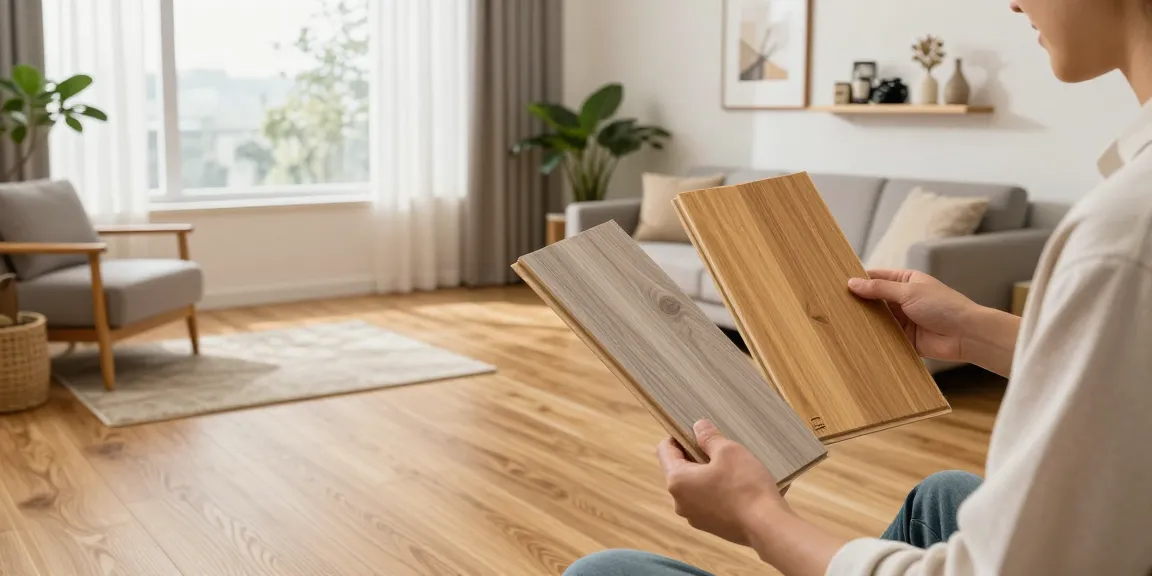
Aesthetic appeal plays a significant role in flooring choices. Laminate offers a diverse range of styles but may not replicate the warmth or character of natural wood perfectly. On the other hand, engineered wood offers the authentic look of hardwood with a variety of finishes to match home decor. Homeowners should consider their design preferences and how each flooring type complements their overall interior style.
Long-Term Value and Resale Considerations
When exploring flooring options, it’s essential to consider the long-term investment aspect. Engineered wood is often perceived as a higher-value flooring option that can positively impact resale value. Additionally, the lifespan and refinishing capabilities of engineered wood can yield better long-term value when compared to laminate, which may need to be replaced sooner. Those planning on selling their home may weigh these factors heavily in their decision-making process.
Expert Tips and Trends for 2026
As the flooring market evolves, staying abreast of emerging trends and expert advice can assist homeowners in making informed choices for their flooring needs.
Current Design Trends in Flooring
In 2026, trends in flooring are expected to lean towards natural aesthetics that highlight wood’s unique characteristics. Wide planks, lighter colors, and finishes that mimic reclaimed wood are becoming more popular. Sustainable materials and eco-friendly manufacturing processes are also gaining traction, making it more imperative than ever to consider the environmental impact of flooring decisions.
Environmental Considerations and Sustainability
As homeowners become more environmentally conscious, the sustainability of flooring materials is a growing concern. Engineered wood tends to be more sustainable than solid hardwood due to its more efficient use of raw materials. Many brands now offer eco-friendly options for both laminate and engineered wood, ensuring that homeowners can make choices aligned with their values without sacrificing style or quality.
Future Innovations in Flooring Materials
Future innovations in flooring materials may present exciting alternatives to traditional laminate and engineered wood. Developments in sustainable materials technology could lead to new options that offer both aesthetic appeal and environmental accountability. Homeowners should keep an eye on emerging products and manufacturers committed to innovation, as these may provide even more choices in the years to come.
What are the pros and cons of laminate and engineered wood?
Laminate flooring offers affordability, ease of installation, and high durability, but it lacks the authentic look and feel of real wood. Engineered wood, on the other hand, provides a premium look with the warmth of hardwood and the ability to refinish, but it comes at a higher price point and requires more meticulous maintenance.
How can I determine which flooring type is best for my lifestyle?
To determine the best flooring type, consider factors such as household activity levels, the presence of pets or children, and your personal design preferences. Take time to assess how much wear and tear the flooring will experience and whether you prefer a look that is stylish yet practical.
What maintenance do laminate and engineered wood floors require?
Laminate floors require minimal maintenance—regular sweeping and occasional damp mopping suffice. Engineered wood may need more specific care, including regular cleaning with wood-safe products and periodic refinishing to maintain its appearance.
How does moisture affect laminate vs. engineered wood in kitchens?
Moisture resistance is crucial in kitchens. Laminate typically handles spills and humidity better than engineered wood. However, when properly sealed and maintained, engineered wood can also be a suitable option for kitchen environments. It’s vital to monitor moisture levels and take appropriate precautions to protect the flooring.
What are the latest trends in flooring for 2026?
Homeowners in 2026 are likely to seek flooring that combines environmental sustainability with stylish designs. A blend of natural materials, reclaimed wood aesthetics, and innovative production methods will dominate the market. Furthermore, advancements in durability and maintenance ease will be key selling points for future flooring innovations.