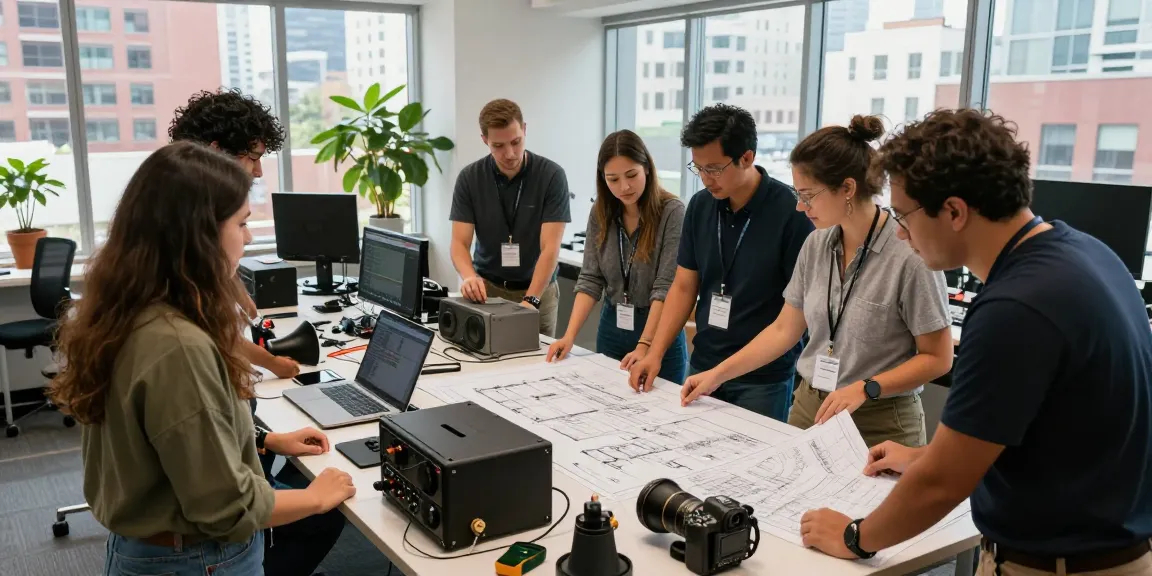
Understanding Public Address Systems
Public Address (PA) systems are essential tools for effective communication in diverse environments, ranging from corporate offices to educational institutions and places of worship. They are designed to amplify sound so that announcements and presentations can be heard clearly by larger audiences, ensuring that crucial information reaches everyone. As organisations push for better communication solutions, investing in a reliable public address system installation can significantly enhance engagement and interaction.
What is a Public Address System?
A Public Address System (PAS) is an electronic system that amplifies sound, typically used in public gatherings, events, or venues where a single speaker needs to communicate effectively with a large audience. The basic function of a PA system is to make voices and sounds audible over distance, which is particularly beneficial in environments with background noise or large crowds.
Key Components of PA Systems
Understanding the components of a PA system is pivotal when planning an installation. The primary elements include:
- Microphones: These capture sound from the speaker and convert it into electrical signals.
- Amplifiers: They enhance the low-level audio signals from microphones to a level suitable for driving loudspeakers.
- Loudspeakers: The final output device that disperses sound throughout the venue.
- Mixing Console: This component adjusts the sound levels and quality of different audio inputs before sending them to the amplifier.
- Cabling and Accessories: Essential for connecting all components effectively, including stands, connectors, and power supplies.
Common Applications Across Industries
PA systems are employed in various sectors, including:
- Corporate Events: For effective communication in meetings, conferences, and training sessions.
- Educational Institutions: For announcements, lectures, and events in schools and universities.
- Hospitality Venues: In restaurants and bars for music and announcements that enhance customer experience.
- Places of Worship: To ensure clarity during services, sermons, and community events.
- Sporting Events: For announcements and commentary throughout matches and competitions.
Planning Your Installation Project
Before embarking on a public address system installation project, careful planning is essential. This phase involves understanding the venue's unique characteristics and user needs to ensure an effective solution.
Identifying User Needs and Setups
Understanding who will use the PA system and for what purposes is critical. Assessing user needs involves evaluating the size of the audience, the types of events, and the desired audio quality. For instance, a corporate office may require a straightforward setup for meetings, whereas a sports arena might need a more complex system for events and announcements.
Assessing Venue Acoustic Challenges
Every venue presents unique acoustic challenges that can affect sound quality. Factors such as room dimensions, wall materials, and ceiling height play significant roles in how sound travels within a space. Conducting an acoustic assessment can help identify potential issues like echoes or dead spots that might need addressing during installation.
Budgeting for Effective System Solutions
Budget considerations are often a significant factor in planning a PA system installation. It's essential to balance quality with cost, ensuring that the system meets requirements without exceeding financial limits. Consider the longevity of equipment, potential future upgrades, and additional installation costs, including labour and accessories.
Best Practices for Installation
When executing a PA system installation, adhering to industry best practices can significantly affect performance and satisfaction.
Step-by-Step Installation Guidance
Installing a PA system typically involves a systematic approach:
- Site Survey: Conduct an on-site evaluation to understand the venue, existing infrastructure, and power sources.
- Equipment Selection: Choose appropriate components based on user needs and venue challenges.
- System Design: Create a layout that optimizes sound coverage while considering aesthetic and functional aspects.
- Installation: Mount speakers, set up microphones, and connect all equipment following manufacturer guidelines.
- Testing: Test the system thoroughly to ensure clarity and coverage, making necessary adjustments as needed.
Integrating Technology: Sound, Video, and Lighting
Modern PA systems often integrate with other technologies, enhancing their functionality. Considerations may include:
- Video Systems: Integrating screens for visual presentations in conjunction with audio announcements.
- Lighting: Coordinating with lighting systems to create a cohesive audiovisual experience.
- Smart Technology: Utilizing apps and software for remote control and easy management of PA systems.
Ensuring Compliance with Health and Safety Standards
Compliance with local health and safety regulations is vital in any installation project. Ensuring that equipment is securely installed, electrical connections are safe, and that the system meets sound level regulations can prevent potential hazards.
Real-World Examples and Case Studies
Analyzing practical applications of PA systems helps illustrate their impacts and effectiveness in various scenarios.
Successful Installations in Corporate Environments
In corporate settings, effective communication is paramount. A well-implemented PA system enhances interactions during meetings and corporate events. For example, a multinational firm improved its conference experience by installing a high-quality system, resulting in better engagement and feedback from attendees.
Impact of PA Systems in Educational Settings
In educational institutions, PA systems are used for announcements, emergency communications, and educational purposes. Schools that have upgraded their systems report increased clarity in communication during assemblies and drills, contributing to improved safety and learning environments.
Case Study: AV Solutions for Places of Worship
In places of worship, sound quality can significantly influence the congregation's experience. A notable installation in a church involved a sophisticated PA system that integrated microphones for live music and sermons, enhancing auditory experiences during services and community events.
Future Trends in Public Address System Technologies
The public address system industry is evolving rapidly, with new technologies emerging every year. Understanding these trends can help organisations stay ahead of the curve.
Emerging Technologies and Innovations
Trends to watch for include:
- Wireless Technologies: Increasing adoption of wireless microphones and speakers, allowing for greater flexibility and reduced cabling.
- Cloud Solutions: Cloud-based systems that allow for easier control and management from anywhere.
- Advanced DSP (Digital Signal Processing): Enhancements that improve sound quality and adapt automatically to environmental factors.
Impact of Artificial Intelligence on AV Installations
AI is beginning to shape public address technologies, from smart microphones that automatically adjust sensitivity based on ambient noise, to software that optimizes sound distribution based on room acoustics. This evolving trend promises to enhance user experience and system efficiency.
Preparing for Changes in User Needs by 2026
As user expectations evolve, PA systems will need to adapt. Anticipating shifts in communication styles, such as remote work and hybrid events, will be vital for successful installations. Offering flexibility and upgradable systems will cater to changing organisational needs.
What are the key benefits of a public address system installation?
The key benefits include improved communication clarity, increased audience engagement, and the ability to reach larger groups effectively. Additionally, a well-planned PA system enhances the overall experience of occasions, from corporate events to community gatherings.
How do I choose the right public address system for my venue?
Choosing the right PA system involves understanding the venue's size, the nature of the events held, and specific acoustic challenges. Consulting with AV professionals can streamline this process and ensure optimal system selection.
What common challenges should I expect during installation?
Common challenges include acoustic issues, unexpected venue characteristics, and integration with existing systems. Professional assessment prior to installation can mitigate many of these challenges and enhance project success.
How can I ensure my public address system meets safety regulations?
Ensuring compliance with safety regulations involves thorough planning, including securing appropriate permits, following electrical codes, and maintaining equipment regularly to avoid hazards.
What future trends should I watch for in public address systems?
Future trends to monitor include advancements in wireless technology, increased integration with smart devices, and ongoing innovations in sound engineering, which promise to further revolutionize public address systems.